Animals as Transformation in Art
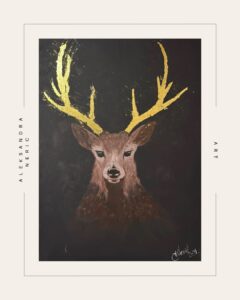 Animals as transformation in art is not a trend. It is one of the oldest and most structurally important forces in visual history. Long before written philosophy, artists painted animals to express instinct, power, survival, and psychological evolution.In contemporary art, animals are often reduced to symbols or decorative motifs. However, animals as transformation in art represent something far deeper: the integration of instinct into consciousness. They are not aesthetic additions. They are structural elements of becoming.
Understanding how animals function in art allows us to see transformation not as fantasy, but as psychological architecture.The Origin of Animals as Transformation in Art
The earliest cave paintings did not focus on portraits of humans. They focused on animals. This historical fact is essential.Animals appeared in art before structured identity existed. They represented strength, danger, fertility, and survival. In other words, they embodied the forces that shaped early human consciousness.Animals as transformation in art began as a way to externalize instinct. The bison on cave walls was not decoration. It was power. It was fear. It was survival rendered visible.This origin still matters today.When contemporary artists use animal imagery, they are participating in a lineage of transformation that predates institutions and theory.
Instinct and Psychological Transformation
Animals as transformation in art function on a psychological level. They allow the artist to confront instinct without literal autobiography.
A wolf can represent controlled aggression.
An eagle can represent vision and elevation.
A serpent can represent renewal through shedding.
A phoenix can represent rebirth through destruction.
These interpretations are not simplistic symbolism. They are archetypal structures.Transformation is not sudden change. It is integration. When instinct is suppressed, creativity fragments. When instinct is integrated, art gains depth and vitality.Animals provide a visual language for that integration.
Animals as Shadow Integration
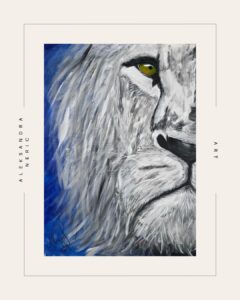
Modern culture often romanticizes darkness. However, true shadow integration requires structure. Animals as transformation in art serve as carriers of the shadow.They hold:
-
primal intelligence
-
survival instinct
-
territorial awareness
-
loyalty
-
dominance
-
fear
These forces are not negative. They are neutral energies that must be integrated consciously.In serious artistic practice, animals are not used for drama. They are used for confrontation. They reveal where transformation must occur within the artist.Animals as transformation in art therefore operate as psychological tools, not decorative effects.
Historical and Contemporary Perspectives
Throughout art history, animals have carried transformational meaning. In mythology and religious art, the lion symbolized strength under control. The eagle symbolized spiritual ascent. The serpent symbolized both knowledge and danger.In contemporary art, the function of animals has shifted. Some artists use hyperrealistic animal portraits for aesthetic impact. Others integrate animal figures into conceptual frameworks.The difference lies in intention.When animals are used as transformation devices, they alter the internal structure of the artwork. They shift the narrative from surface representation to psychological evolution.Animals as transformation in art remain relevant because transformation itself remains necessary.
Structure Before Expression
There is a misconception that instinct opposes discipline. In reality, instinct provides raw data. Structure provides direction.
An artist who paints instinct without discipline creates chaos.
An artist who suppresses instinct creates sterility.
Transformation occurs between these extremes.
Animals as transformation in art demonstrate how instinct can be shaped without being denied.
When an eagle rises in a composition, it must be structurally integrated into light, space, and tension. Otherwise, it becomes illustration rather than transformation.Serious art does not decorate. It restructures perception.
Why Animals Still Matter in Contemporary Art
Animals continue to appear in contemporary art because transformation is ongoing. The human condition has not outgrown instinct. It has only complicated it.By incorporating animals consciously, artists confront:
-
ambition
-
fear
-
identity
-
power
-
vulnerability
Animals as transformation in art offer a bridge between primal intelligence and modern awareness. They connect biological memory with philosophical inquiry.In this way, the animal becomes a mediator between shadow and illumination.
Conclusion: Transformation as Responsibility
Animals as transformation in art are not nostalgic references to mythology. They are instruments of psychological and structural evolution.To include an animal in an artwork is to acknowledge a force that demands integration.Transformation is not decorative.
It is metabolic.When instinct meets structure, art becomes alive without losing clarity. This is why animals remain one of the most powerful transformation devices in visual culture.Animals as transformation in art remind us that becoming is not optional. It is the condition of growth.
Written by: Aleksandra Ana Neric